Categories: AI Storytelling, Creator Workflow, Production Strategy
Tags: happy horse, ai sci-fi, episodic content, creator workflow
Introduction
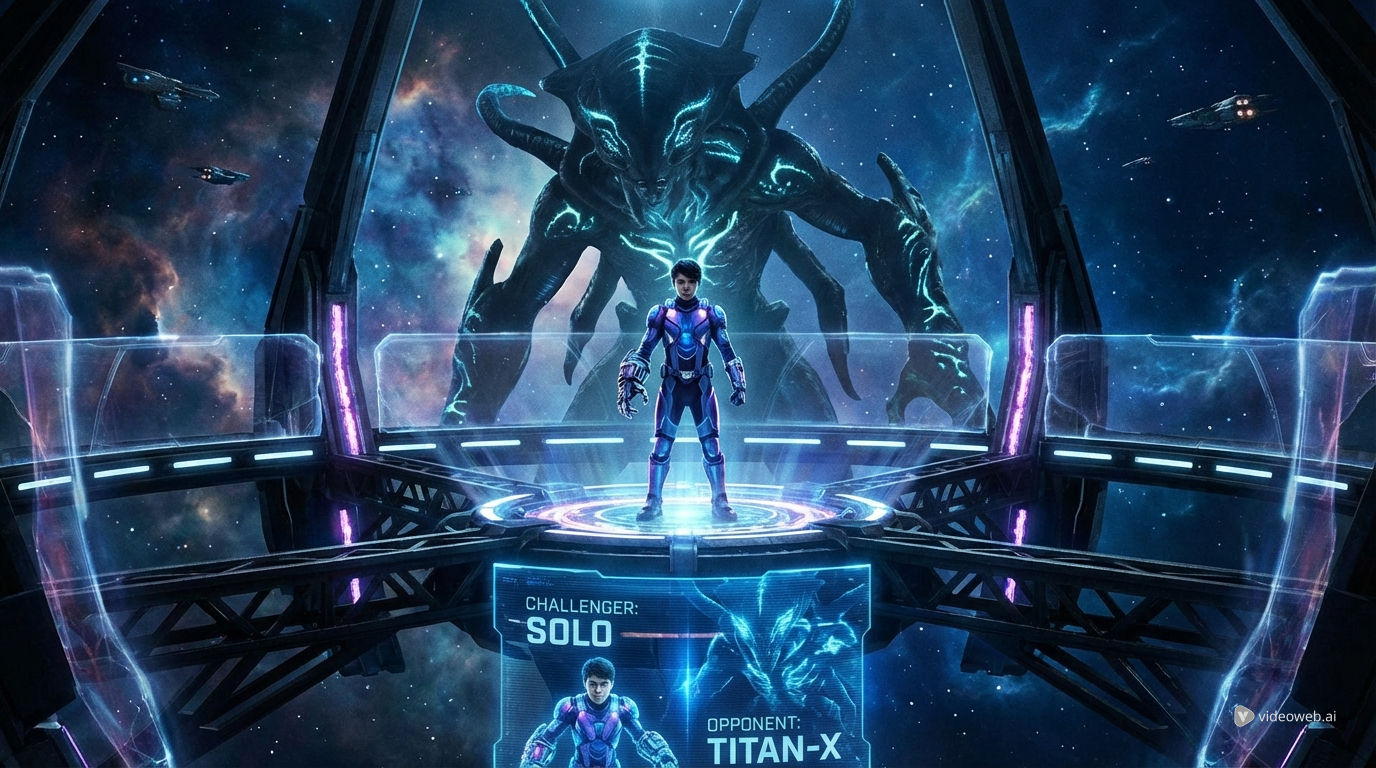
The discussion around Higgsfield Arena Zero Episode 3 is not only about visual quality.
The bigger signal is that AI video is being evaluated less as a one-shot spectacle and more as entertainment with continuity, pacing, and audience expectation.
That is why this episode matters for creators: it shifts the standard from "can this model generate a cool shot?" to "can this sequence hold attention like a real story?"
Arena Zero Episode 3 Is More Than a Flashy AI Clip
A lot of AI content still wins with quick visual impact. A dramatic camera move or futuristic frame can stop the scroll, but it does not always create memory.
Episode 3 points to a different direction: building an ongoing world where each clip feels like part of a larger arc.
This aligns with a key source insight: viewers begin to care more when scenes connect across episodes, not when each output is a disconnected visual demo.
Why the Sci-Fi Angle Works So Well
Sci-fi is a natural fit for AI video because it rewards scale, stylization, and worldbuilding.
It gives creators room to design atmosphere and motion language that might feel excessive in everyday genres.
Another source-level takeaway is that sci-fi framing helps transform "tool output" into "chapter storytelling."
Instead of posting isolated experiments, creators can anchor each release to tone, setting, and progression.
What Creators Can Learn from Arena Zero Episode 3
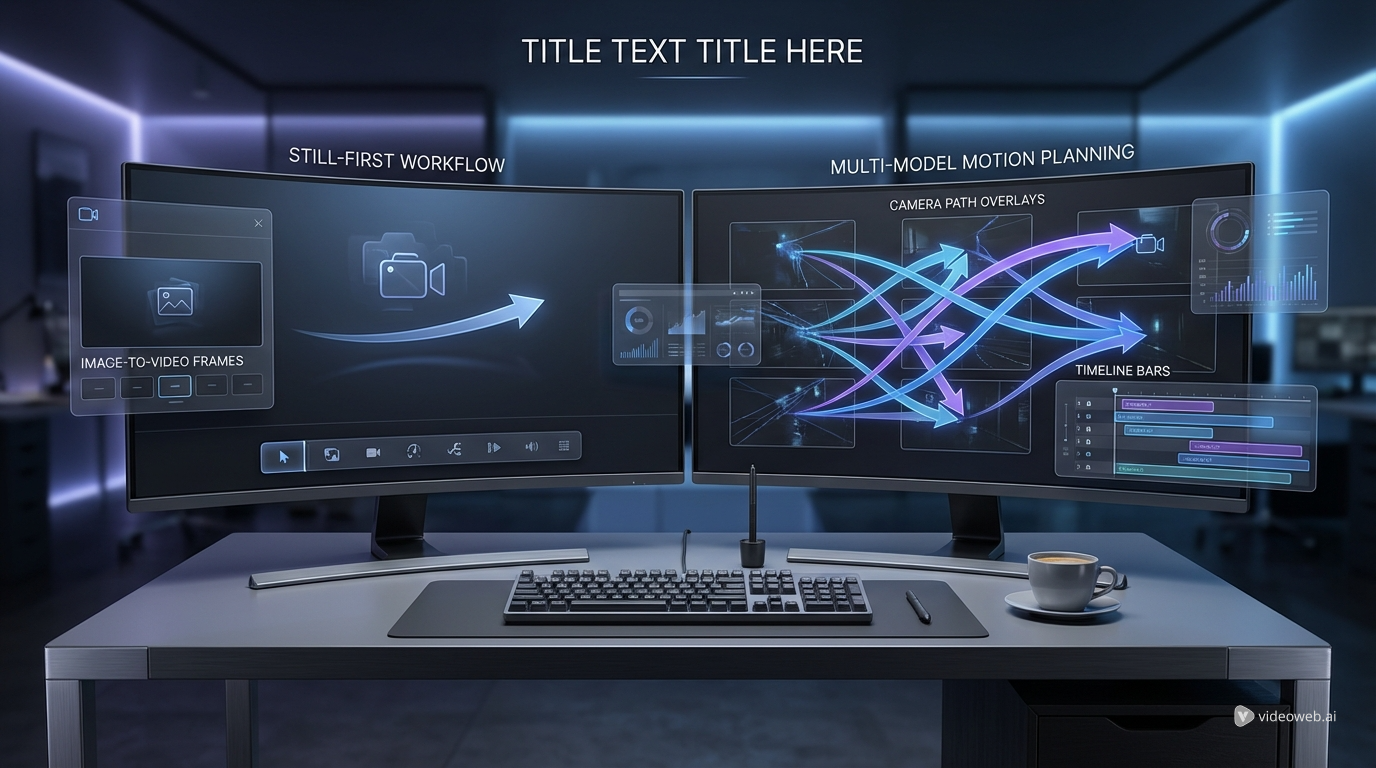
The strongest lesson is simple: story framing now matters as much as generation quality.
Practical implications:
- Define the world rules before rendering more shots.
- Keep one visual identity across episodes (camera rhythm, contrast, motion feel).
- Give each clip a narrative job, not only a visual trick.
- Review results by retention and sequence quality, not just frame aesthetics.
When you adopt this structure, AI video starts feeling directed instead of random.
How to Explore This Style with Happy Horse
You can reproduce this "episode-first" approach with a focused pipeline on Happy Horse:
- Use Text to Video for concept and scene intent.
- Use Image to Video to keep character/world consistency.
- Use Video to Video for controlled motion and style passes.
- Use Video to Audio or Text to Music to reinforce mood and pacing.
- Publish one "safe continuity cut" and one "high-risk cinematic cut," then compare watch-through.
Tool Selection by Creative Intent
One source idea is especially useful: choose tools by intent, not by hype.
- If your goal is concept velocity: start with Text to Video.
- If your goal is scene continuity: prioritize Image to Video.
- If your goal is stronger directed movement: iterate through Video to Video.
- If your goal is emotional impact: finish with Video to Audio.
This is how you move from "interesting generation" to "watchable sequence."

Why This Matters for the Future of AI Entertainment
Episode 3 reflects a broader shift: AI video is increasingly judged like a medium, not a novelty feature.
As that shift continues, audiences will expect clearer pacing, stronger identity, and better continuity between scenes.
The winners will not be creators who generate the wildest single shot.
The winners will be creators who can connect shots into scenes and scenes into an experience people want to continue watching.
Final Thoughts
Arena Zero Episode 3 is useful because it raises the bar.
It suggests that AI-native entertainment is becoming more structured, more creator-driven, and more audience-aware.
If you want similar outcomes, build your workflow around continuity and intent first, then use tools to support the narrative system.
Related Articles
- Zorq AI vs Happy Horse for motion control
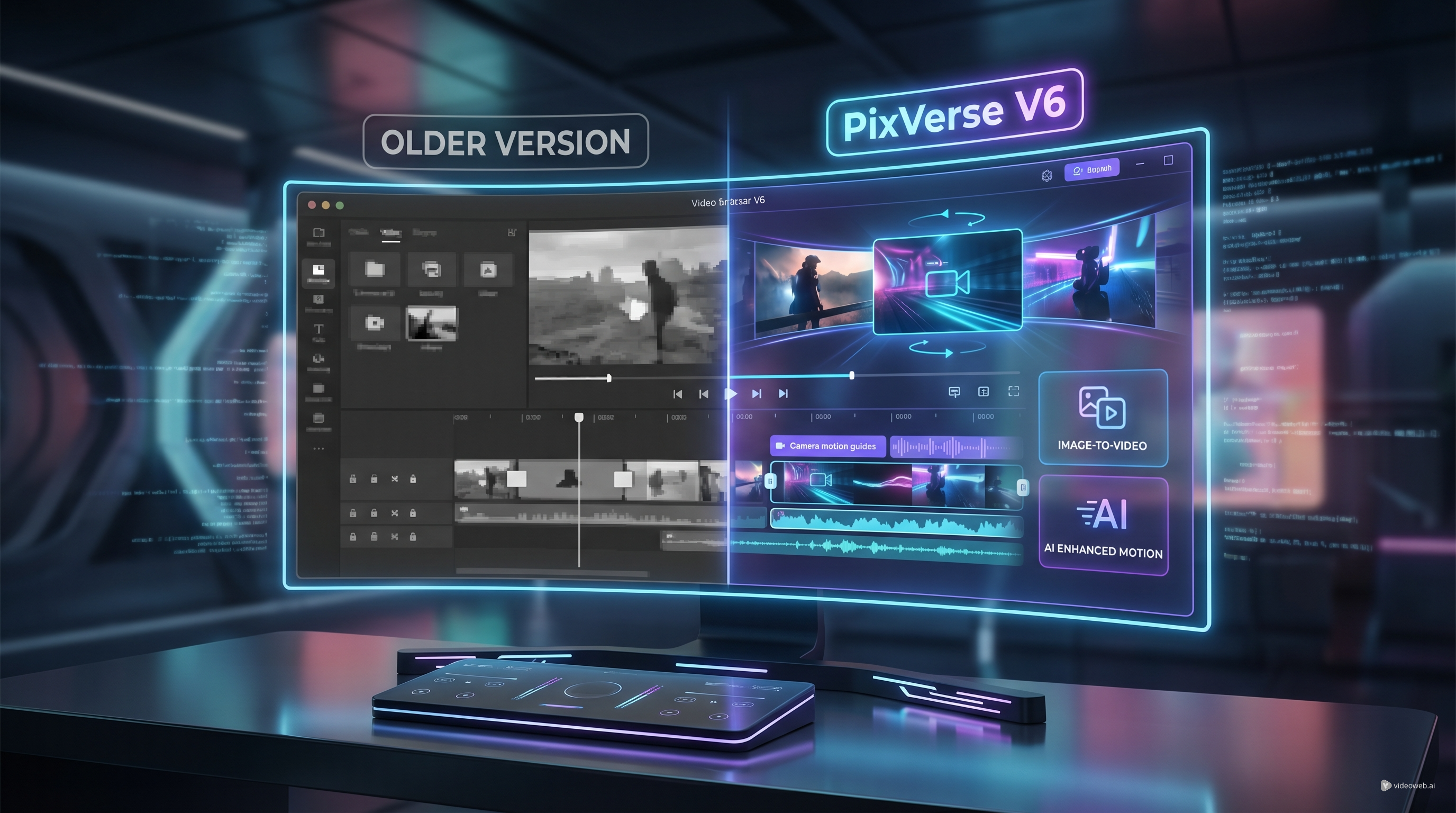
- PixVerse V6 updates and creator implications
- Happy Horse 1.0 vs Seedance 2.0 for fast production teams
Practical Weekly Workflow
- Pick one world concept and one target audience emotion.
- Build 2 short sequences with Text to Video and Image to Video.
- Improve movement consistency in Video to Video.
- Add final sound layers via Video to Audio.
- Track completion rate and save only formats that hold attention.
Conclusion
The key shift behind Episode 3 is not technology alone. It is structure.
When you treat AI video as episodic storytelling, your output becomes easier to remember, easier to scale, and closer to real entertainment.
Call to Action
- Start with Image to Video: https://openhappyhorse.io/image-to-video
- Start with Text to Video: https://openhappyhorse.io/text-to-video
- Refine with Video to Video: https://openhappyhorse.io/video-to-video
- Add audio with Video to Audio: https://openhappyhorse.io/video-to-audio
- Build supporting visuals: https://openhappyhorse.io/text-to-image
FAQs
1) Why does episodic framing outperform one-off clips?
Because continuity gives viewers a reason to return, not just react once.
2) What should I optimize first: motion quality or narrative flow?
Narrative flow first. Motion quality becomes more valuable when scenes connect clearly.
3) How many versions should I publish each week?
Two focused variants per concept is enough for stable learning without losing consistency.