
Categories: AI Video Workflow, Creator Strategy, Production Process
Tags: happy horse, ai video workflow, content strategy, creator toolkit
Introduction
AI-generated story shorts are rapidly gaining popularity on YouTube. These videos typically combine AI-generated images, subtle motion, and realistic voiceovers to tell compelling stories. This guide outlines a practical framework for creating your own viral AI story shorts using a combination of AI tools, including how Happy Horse can streamline your production process.
The Power of AI-Generated Story Shorts
AI-generated story shorts are a new and exciting content format on YouTube. Their appeal lies in their ability to quickly produce engaging, visually rich narratives. By leveraging AI, creators can bring stories to life with dynamic visuals and captivating audio, making these shorts highly shareable and effective for rapid channel growth.
Happy Horse execution path:
- Build your first version in Text to Video or Image to Video.
- Refine motion/style with Video to Video.
- Add sound layers via Video to Audio when needed.
- Publish one clean variant and one experiment, then compare performance.

Why this works:
- Keeps production repeatable.
- Reduces random editing loops.
- Makes weekly iteration measurable.
Crafting the Perfect Story
The foundation of any viral short is a well-crafted story. Once you have your narrative, the next step is to translate it into visuals. For generating high-quality images, tools like Leonardo AI offer powerful capabilities, often with free plans that provide daily credits for image generation.
Happy Horse execution path:
- Build your first version in Text to Video or Image to Video.
- Refine motion/style with Video to Video.
- Add sound layers via Video to Audio when needed.
- Publish one clean variant and one experiment, then compare performance.

Why this works:
- Keeps production repeatable.
- Reduces random editing loops.
- Makes weekly iteration measurable.
Creating AI-Generated Images
Bringing your story to life visually is crucial. AI image generation tools are essential for this step. They allow you to create unique and relevant visuals that align with your narrative, setting the stage for an engaging short.
Happy Horse execution path:
- Build your first version in Text to Video or Image to Video.
- Refine motion/style with Video to Video.
- Add sound layers via Video to Audio when needed.
- Publish one clean variant and one experiment, then compare performance.

Why this works:
- Keeps production repeatable.
- Reduces random editing loops.
- Makes weekly iteration measurable.
Adding Motion to Your Images
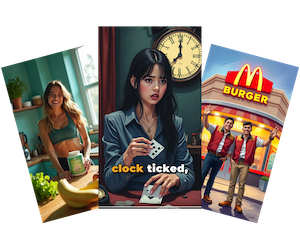
To elevate engagement, incorporate subtle motion into your AI-generated images. Features like "image to motion" found in various AI tools can transform static visuals into dynamic scenes, adding a professional touch to your shorts.
Happy Horse execution path:
- Build your first version in Text to Video or Image to Video.
- Refine motion/style with Video to Video.
- Add sound layers via Video to Audio when needed.
- Publish one clean variant and one experiment, then compare performance.
Why this works:
- Keeps production repeatable.
- Reduces random editing loops.
- Makes weekly iteration measurable.
Creating an AI Voiceover
A high-quality voiceover is the heartbeat of your story. Tools like Eleven Labs offer realistic AI voices, often with free tiers, allowing you to generate compelling narration that brings your story to life and captivates your audience.
Happy Horse execution path:
- Build your first version in Text to Video or Image to Video.
- Refine motion/style with Video to Video.
- Add sound layers via Video to Audio when needed.
- Publish one clean variant and one experiment, then compare performance.
Why this works:
- Keeps production repeatable.
- Reduces random editing loops.
- Makes weekly iteration measurable.
Editing Your Video
With all your elements—story, images, motion, and voiceover—it's time to assemble them. User-friendly video editing software like CapCut can help you combine these components seamlessly, ensuring a polished final product.
Happy Horse execution path:
- Build your first version in Text to Video or Image to Video.
- Refine motion/style with Video to Video.
- Add sound layers via Video to Audio when needed.
- Publish one clean variant and one experiment, then compare performance.
Why this works:
- Keeps production repeatable.
- Reduces random editing loops.
- Makes weekly iteration measurable.
Optimizing Your Content for Virality
To maximize the viral potential of your AI-generated story shorts, consider key optimization strategies. This includes crafting compelling hooks, maintaining a fast pace, and using trending audio or visual styles to capture audience attention.
Happy Horse execution path:
- Build your first version in Text to Video or Image to Video.
- Refine motion/style with Video to Video.
- Add sound layers via Video to Audio when needed.
- Publish one clean variant and one experiment, then compare performance.
Why this works:
- Keeps production repeatable.
- Reduces random editing loops.
- Makes weekly iteration measurable.
The Ethics of AI-Generated Content
While AI-generated content offers exciting creative possibilities, it's crucial to address ethical considerations. Transparency about AI usage and ensuring content doesn't infringe on copyrights are important practices for responsible content creation.
Happy Horse execution path:
- Build your first version in Text to Video or Image to Video.
- Refine motion/style with Video to Video.
- Add sound layers via Video to Audio when needed.
- Publish one clean variant and one experiment, then compare performance.
Why this works:
- Keeps production repeatable.
- Reduces random editing loops.
- Makes weekly iteration measurable.
Conclusion
Creating viral AI-generated story shorts is an innovative frontier in content creation. By following these steps and leveraging AI tools, you can produce engaging, visually appealing shorts that have the potential to rapidly grow your YouTube channel.
Happy Horse execution path:
- Build your first version in Text to Video or Image to Video.
- Refine motion/style with Video to Video.
- Add sound layers via Video to Audio when needed.
- Publish one clean variant and one experiment, then compare performance.
Why this works:
- Keeps production repeatable.
- Reduces random editing loops.
- Makes weekly iteration measurable.
Practical Weekly Workflow
- Choose 2 to 3 blocks from this article and define a weekly objective.
- Produce your first drafts with Text to Video and Image to Video.
- Improve structure and style with Video to Video.
- Add audio where needed via Video to Audio or Text to Music.
- Publish and keep only the formats that consistently outperform baseline.
Final Thoughts
The most reliable way to scale content output is to standardize how each piece is produced. Keep the structure stable, iterate by section, and scale only what proves performance.
Call to Action
- Start with Image to Video: https://openhappyhorse.io/image-to-video
- Start with Text to Video: https://openhappyhorse.io/text-to-video
- Refine with Video to Video: https://openhappyhorse.io/video-to-video
- Add audio with Video to Audio: https://openhappyhorse.io/video-to-audio
- Build supporting visuals: https://openhappyhorse.io/text-to-image
FAQs
1) What Makes AI-Generated Shorts So Popular? AI-generated shorts are popular due to their engaging visuals, compelling narratives, and the ease with which creators can produce high-quality content, often leading to rapid channel growth.
2) Is it legal to use AI-generated content on YouTube? Yes, it's generally legal to use AI-generated content on YouTube. However, transparency about the AI origin and ensuring no copyrights are infringed upon are important.
3) Can this workflow work for a solo creator? Yes. Start with a small weekly scope and reuse the same production blocks.
4) How many variants should I test per post? 2 to 4 focused variants are usually enough to identify clear winners.
5) Should I prioritize trends or consistency? Use trends for reach, but keep a consistent format system for long-term brand memory.