
Categories: AI Video Workflow, Creator Strategy, Production Process
Tags: happy horse, ai video workflow, content strategy, creator toolkit
Introduction
This guide outlines a practical Happy Horse production framework for leveraging AI video in marketing. Our focus is on achieving clearer planning, faster execution, and stronger publishing consistency.
Core Content Blocks
1) Why AI Video Is Transforming Marketing in 2026
Traditional video production for marketing is often hampered by significant costs and time commitments. AI video generation, particularly with tools like Veo 3, is revolutionizing this by streamlining the creative process and reducing bottlenecks.
Happy Horse execution path:
- Build your initial video concepts using Text to Video or Image to Video.
- Refine motion and style with Video to Video for polished results.
- Enhance your videos with sound layers via Video to Audio when needed.
- Publish a primary variant and an experimental version to compare performance metrics.
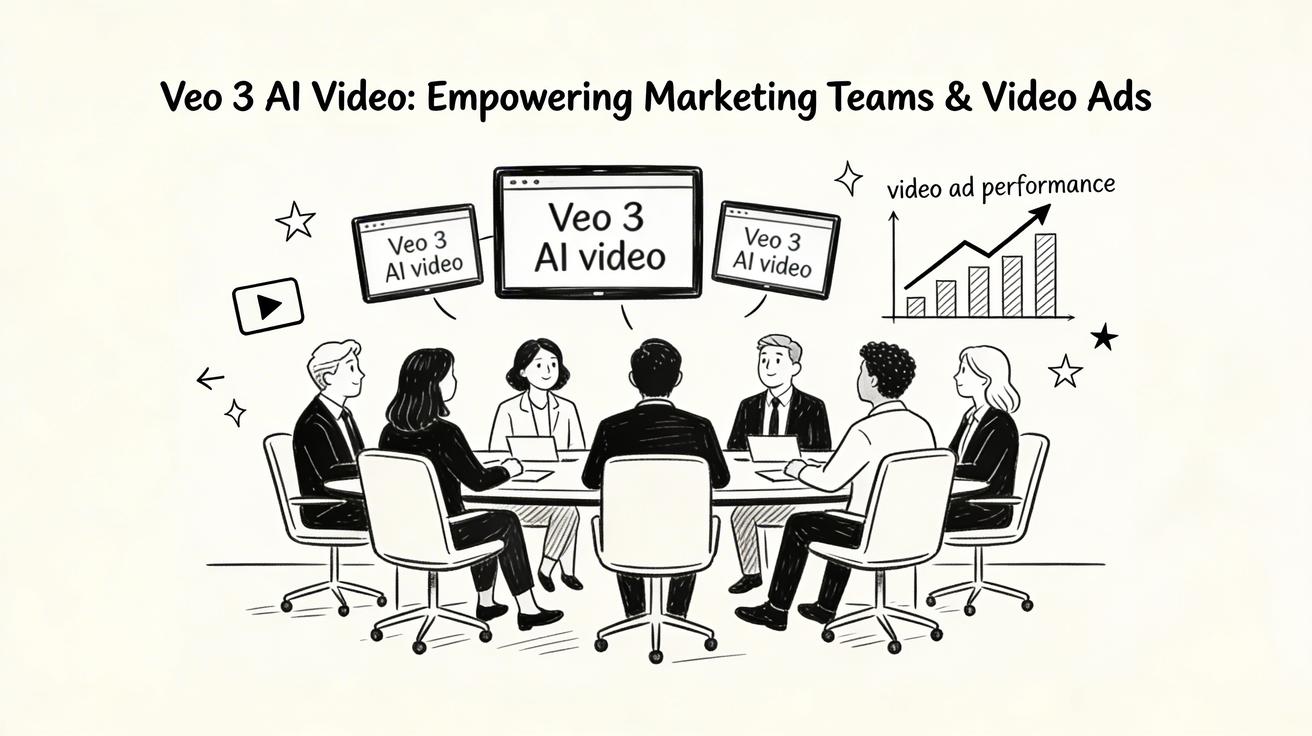
This approach ensures:
- Repeatable and scalable production workflows.
- Minimized time spent on random editing iterations.
- Measurable weekly iteration for continuous improvement.
2) Marketing Use Cases for Veo 3 and AI Video
Social media marketing demands a constant flow of fresh visual content. AI video generation effectively solves this production bottleneck, allowing marketers to create diverse content rapidly.
Happy Horse execution path:
- Generate initial social media clips using Text to Video or Image to Video.
- Apply stylistic adjustments and motion refinements with Video to Video.
- Integrate audio elements using Video to Audio for a complete experience.
- Deploy a standard version and an A/B test variant to assess engagement.
This strategy facilitates:
- Consistent and high-volume content output.
- Efficient iteration and reduced production cycles.
- Data-driven optimization of social media campaigns.
3) Building a Marketing Video Workflow with AI
AI video tools like Veo 3 allow for precise control over visual elements. For instance, a prompt like "Premium [product] on clean white surface, slow 360-degree rotation, soft studio lighting, commercial quality, 16:9" can generate highly specific product showcases.
Happy Horse execution path:
- Begin by generating product visuals with Text to Video or Image to Video based on detailed prompts.
- Refine the rotation, lighting, and overall aesthetic using Video to Video.
- Add subtle background music or voiceovers via Video to Audio if desired.
- Publish and compare the performance of different visual approaches.
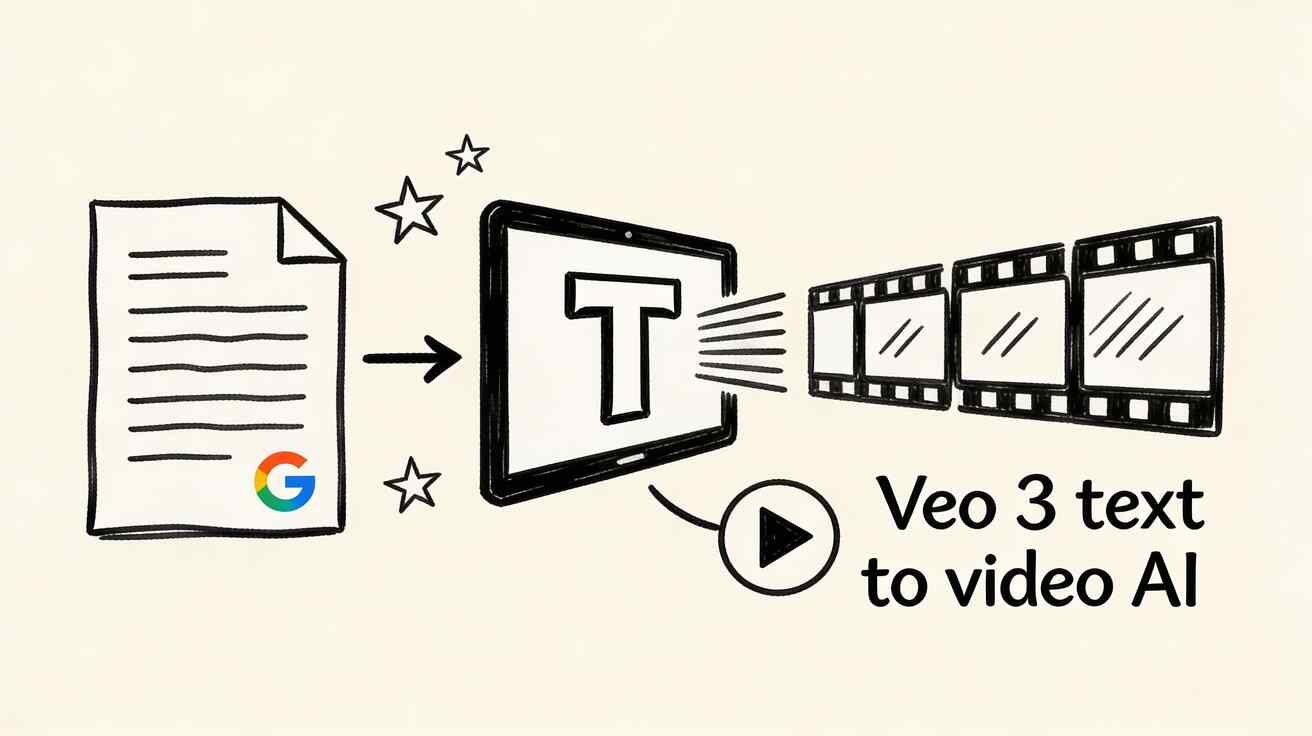
This workflow ensures:
- High-quality, consistent product visuals across campaigns.
- Rapid generation of diverse creative options.
- Streamlined production from concept to final asset.
4) Platform-Specific Marketing Video Strategies
Brand storytelling content, which communicates values, mission, and culture, can be effectively scaled with AI video. Different platforms require tailored approaches.
Happy Horse execution path:
- Develop core narrative visuals using Text to Video or Image to Video.
- Adapt the style and pacing for specific platforms using [Video to Video](https://openhappyhorse.io/video-to-video].
- Integrate appropriate audio tracks with Video to Audio or Text to Music.
- Publish optimized versions for each platform and monitor engagement.
This strategy enables:
- Consistent brand messaging across diverse channels.
- Efficient adaptation of content for platform algorithms.
- Enhanced audience connection through tailored visuals.
5) Measuring Marketing Video ROI
For paid advertising, AI video significantly accelerates creative testing. This allows marketers to quickly identify high-performing visuals before scaling campaigns.
Happy Horse execution path:
- Generate multiple visual approaches for the same ad concept using Text to Video or Image to Video.
- Refine each variant with [Video to Video](https://openhappyhorse.io/video-to-video] to ensure commercial quality.
- Add compelling audio elements via Video to Audio.
- A/B test these creatives with small budgets to identify winners before scaling.
This approach delivers:
- Rapid iteration and optimization of ad creatives.
- Reduced ad spend on underperforming visuals.
- Improved campaign ROI through data-driven decisions.
6) Building a Marketing Video Workflow with AI: Defining Requirements
Before generating any content, it's crucial to define your campaign's visual requirements. This clarity ensures that AI-generated videos align perfectly with your marketing objectives.
Happy Horse execution path:
- Clearly articulate visual needs, then generate initial concepts using Text to Video or Image to Video.
- Refine and adjust the visual style and motion with Video to Video.
- Incorporate any necessary sound design through Video to Audio.
- Publish and evaluate against predefined campaign objectives.
This structured approach leads to:
- Targeted and effective video content.
- Minimized revisions and wasted resources.
- A clear path from concept to execution.
7) Building a Marketing Video Workflow with AI: Prompt Engineering
Translating campaign requirements into effective prompts for AI video tools like Veo 3 or Seedance is a critical step. Well-crafted prompts yield superior results.
Happy Horse execution path:
- Formulate precise prompts for Text to Video or Image to Video based on your campaign brief.
- Iterate on prompt variations and refine the generated output using Video to Video.
- Add complementary audio tracks with Video to Audio.
- Test different prompt-generated videos to find the most impactful ones.
This method ensures:
- High relevance of generated content to campaign goals.
- Optimized creative output from AI tools.
- Efficient exploration of visual concepts.
8) Building a Marketing Video Workflow with AI: Production
AI-generated clips serve as the raw material for your marketing videos. The subsequent production phase involves assembling and refining these clips into polished assets.
Happy Horse execution path:
- Start with AI-generated clips from Text to Video or Image to Video.
- Use Video to Video to stitch clips, add transitions, and ensure visual coherence.
- Layer in voiceovers, music, and sound effects using Video to Audio or Text to Music.
- Finalize and export for distribution across chosen platforms.
This production process offers:
- A modular approach to video creation.
- Flexibility in assembling diverse AI-generated assets.
- A streamlined path to high-quality final videos.
9) Platform-Specific Marketing Video Strategies: Instagram
Instagram's algorithm heavily favors Reels. For marketing teams, this means prioritizing short, engaging, and visually dynamic content.
Happy Horse execution path:
- Create short, punchy video segments optimized for Reels using Text to Video or Image to Video.
- Refine motion, add trending effects, and ensure rapid cuts with Video to Video.
- Incorporate popular audio or create custom tracks with Video to Audio or Text to Music.
- Publish and monitor Reel performance to inform future content.
This strategy helps:
- Maximize visibility and engagement on Instagram.
- Leverage platform-specific trends effectively.
- Produce high volumes of relevant content quickly.
10) Platform-Specific Marketing Video Strategies: YouTube
YouTube typically requires longer-form content with higher production values and a clear narrative arc. AI video can assist in generating B-roll, intros, and outros.
Happy Horse execution path:
- Generate high-quality B-roll or animated sequences using Text to Video or Image to Video.
- Integrate these AI-generated elements seamlessly into longer edits with [Video to Video](https://openhappyhorse.io/video-to-video].
- Add professional voiceovers, background music, and sound design using Video to Audio or Text to Music.
- Optimize for YouTube's audience and search algorithms.
This approach supports:
- Production of visually rich, longer-form content.
- Maintaining high production values efficiently.
- Expanding content library with diverse visual assets.
Practical Weekly Workflow
- Define Objectives: Choose 2 to 3 core content blocks from this guide and set a clear weekly objective for each.
- First Drafts: Produce initial video drafts using Text to Video and Image to Video.
- Refinement: Improve structure, motion, and style with Video to Video.
- Audio Integration: Add audio layers where necessary via Video to Audio or Text to Music.
- Publish & Analyze: Publish your content, then rigorously compare the performance of different variants to identify clear winners.
Conclusion
The most effective way to scale content output is through standardized production processes. By establishing a stable structure, iterating on specific sections, and scaling only what proves performance, Happy Horse users can achieve consistent, high-impact marketing videos.
Call to Action
- Start with Image to Video: https://openhappyhorse.io/image-to-video
- Start with Text to Video: https://openhappyhorse.io/text-to-video
- Refine with Video to Video: https://openhappyhorse.io/video-to-video
- Add audio with Video to Audio: https://openhappyhorse.io/video-to-audio
- Build supporting visuals: https://openhappyhorse.io/text-to-image
FAQs
1) Can this workflow work for a solo creator? Yes. Solo creators can effectively implement this workflow by starting with a smaller weekly scope and consistently reusing the same production blocks to build efficiency.
2) How many variants should I test per post? Testing 2 to 4 focused variants is generally sufficient to identify clear winners and gather meaningful performance data without overcomplicating the process.
3) Should I prioritize trends or consistency? Leverage trends for increased reach and immediate engagement, but maintain a consistent format system for long-term brand recognition and audience memory.