Categories: AI Video Workflow, Creator Strategy, Production Process
Tags: happy horse, ai video workflow, content strategy, creator toolkit
Introduction
The landscape of music consumption has been irrevocably shaped by visual media. From the groundbreaking launch of MTV in 1981 to the ubiquitous presence of YouTube today, music videos have consistently served as a critical conduit for artist discovery, fan engagement, and commercial triumph. In 2026, with the advent of advanced AI video generation platforms like Happy Horse, artists are empowered to craft compelling visual narratives with unprecedented efficiency and creative control.
This comprehensive guide delves into leveraging Happy Horse's Veo 3 capabilities to produce high-quality music videos. We'll explore genre-specific aesthetics, practical workflow strategies, and distribution considerations, all designed to maximize your artistic impact and return on investment.
The AI Music Video Revolution: A New Era for Artists
The music industry has always thrived on innovation, and the integration of AI into video production marks a pivotal moment. Happy Horse provides artists with a streamlined pathway to transform musical concepts into visual realities, democratizing access to high-end production values that were once the exclusive domain of large budgets and extensive teams. The core advantage lies in the ability to rapidly prototype, iterate, and refine visual ideas, aligning them perfectly with your musical vision.
Happy Horse Workflow for Rapid Prototyping:
- Initial Concept Generation: Begin by translating your song's themes and mood into visual prompts using Text to Video or uploading reference images via Image to Video. This step is crucial for establishing the foundational visual language.
- Motion and Style Refinement: Once initial clips are generated, use Video to Video to fine-tune motion, visual style, and overall aesthetic coherence. This allows for precise control over the dynamic elements of your video.
- Audio Integration: For videos requiring additional sound layers beyond the primary music track, integrate them seamlessly using Video to Audio.
- Iterative Publishing: Publish at least two variants – a "clean" version adhering strictly to your vision and an "experimental" version exploring a novel aesthetic. Comparing their performance metrics will inform future creative decisions.
This repeatable production cycle minimizes random editing loops and ensures that each iteration is measurable, leading to consistent improvements in your output.
Understanding Music Video Aesthetics: Laying the Visual Foundation
Before diving into generation, a clear understanding of music video aesthetics is paramount. Each genre and song tempo demands a specific visual language to resonate effectively with the audience.
Key Aesthetic Considerations:
- Narrative Videos: These videos tell a story that either complements or contrasts with the song's lyrics and themes. They demand a carefully sequenced series of clips to build a cohesive visual narrative. When using AI, focus on generating distinct scenes that can be edited together to form a story arc.
- Performance Videos: Centered around the artist performing the song. Given AI's current limitations in accurately generating specific human likenesses, performance videos are best approached by creating evocative atmospheric environments where a performance could take place, rather than attempting to generate the artist themselves. Think dramatic lighting, dynamic stage setups, or unique backdrops.
- Conceptual/Abstract Videos: These are often the most AI-friendly format. They utilize abstract or symbolic imagery to evoke an emotional experience that aligns with the music. Since they don't rely on specific characters or linear narratives, AI excels at generating unique, dreamlike, or symbolic visuals.
- Lyric Videos: These videos display the song's lyrics over engaging visual backgrounds. AI video tools are perfect for generating these dynamic backdrops, with the text overlay added during post-production.
Tempo and Visual Dynamics: The tempo of your music directly influences the visual pacing. Fast-paced songs benefit from dynamic, energetic visuals with quick cuts and rapid motion, while slower tracks lend themselves to contemplative, atmospheric imagery and smoother transitions.
Genre-Specific Visual Approaches with Happy Horse
Tailoring your visuals to your genre is crucial for authenticity and audience connection. Happy Horse allows for precise control over aesthetic elements, making it easier to capture the essence of various musical styles.
Pop Music: Bright, energetic, and visually dynamic. Think vibrant colors, fast-paced edits, and engaging, often stylized, imagery.
- Happy Horse Prompt Example: "Bright, energetic pop concert, confetti falling, dynamic stage lighting, 4K, vibrant colors, fast-paced motion."
Urban/R&B: Often atmospheric, cool, and sophisticated. Consider nocturnal cityscapes, neon lights, and smooth, tracking shots.
- Happy Horse Prompt Example (Luxury R&B, 9:16): "Urban environment at night, neon lights reflecting on wet streets, atmospheric and cool, slow tracking shot, luxury aesthetic."
Electronic Music: Frequently employs abstract, technological, or psychedelic visuals. Focus on intricate patterns, futuristic landscapes, and mesmerizing light effects.
- Happy Horse Prompt Example: "Abstract technological patterns, pulsating lights, futuristic cityscape, psychedelic visuals, 4K, seamless loop."
Rock/Metal: Powerful, energetic, and often dramatic. Visuals might include concert venues, intense stage lighting, and slow-motion effects to emphasize impact.
- Happy Horse Prompt Example (Metal, 16:9): "Concert venue, dramatic stage lighting, powerful and energetic performance, slow motion, rock concert aesthetic, smoke effects."
Folk/Acoustic: Tends towards natural, authentic, and often serene imagery. Think pastoral landscapes, intimate settings, and warm lighting.
- Happy Horse Prompt Example: "Lush forest at dawn, gentle mist, acoustic guitar, natural light, serene atmosphere, 4K."
Building a Complete Music Video: From Concept to Cut
The process of building a full music video with Happy Horse involves a strategic combination of generation, refinement, and assembly.
Workflow for Comprehensive Video Creation:
- Conceptualization: Define the video's core concept, genre aesthetic, and desired emotional impact. Sketch out a rough storyboard or shot list.
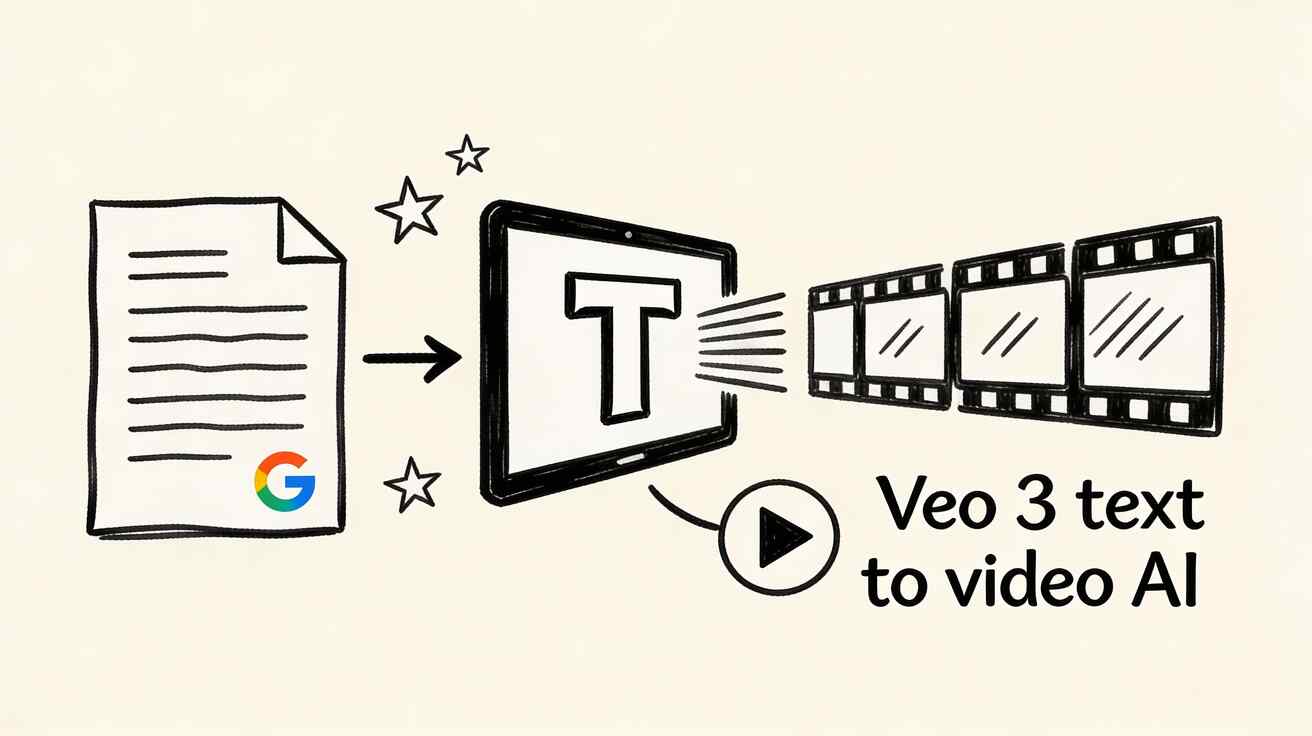
- Scene Generation (Text to Video / Image to Video): Generate individual clips or scenes based on your storyboard. For narrative videos, focus on distinct story beats. For conceptual videos, explore various abstract interpretations.
- Visual Consistency (Video to Video): Apply consistent styles, color grading, and motion characteristics across all generated clips using Video to Video. This ensures a cohesive look and feel.
- Editing and Sequencing: Assemble the generated clips in your preferred video editing software. This is where you'll cut to the beat, create transitions, and establish the narrative flow.
- Post-Production Enhancements: Add any necessary text overlays (for lyric videos), special effects, or additional sound design using Video to Audio.
- Review and Refine: Watch the complete video with the music. Identify areas for improvement in pacing, visual impact, and emotional resonance. Iterate on specific clips or sequences as needed.
Distribution Strategy for AI Music Videos
Creating a stunning music video is only half the battle; effective distribution ensures it reaches your audience. AI-generated videos, being highly scalable, offer unique advantages in developing a robust distribution strategy.
Key Distribution Pillars:
- Platform Optimization: Tailor your video formats (e.g., 9:16 for vertical platforms like TikTok/Instagram Reels, 16:9 for YouTube) to each platform. Happy Horse can generate various aspect ratios, making this process efficient.
- Metadata and SEO: Optimize titles, descriptions, and tags with relevant keywords to improve discoverability on platforms like YouTube.
- Cross-Promotion: Share your video across all your social media channels, website, and email lists.
- Paid Promotion: Consider targeted advertising campaigns on platforms where your audience is most active.
- Content Calendar: Plan your video releases strategically, aligning them with single releases, album drops, or tour announcements.
The Business Case for AI Music Videos: Maximizing Artist ROI
The primary business case for AI music videos lies in their ability to significantly reduce production costs and timelines while maintaining high creative quality. This translates directly into a higher return on investment for artists.
Benefits for Artists:
- Cost Efficiency: Eliminate expensive film crews, locations, and extensive post-production teams.
- Speed to Market: Generate and iterate on video concepts much faster, allowing for more frequent releases and responsiveness to trends.
- Creative Freedom: Experiment with diverse visual styles and concepts without prohibitive financial risk.
- Scalability: Produce multiple versions or short-form clips from a single master video for various platforms.
- Enhanced Engagement: High-quality visuals drive greater fan engagement, leading to increased streams, merchandise sales, and concert attendance.
Practical Weekly Workflow for Consistent Output
To truly harness the power of Happy Horse, integrate its capabilities into a consistent weekly workflow. This ensures continuous content creation and measurable improvement.
- Define Weekly Objectives: Select 2-3 specific visual concepts or sections from your song (e.g., chorus visual, intro atmosphere, bridge narrative) to focus on for the week.
- First Draft Generation: Use Text to Video and Image to Video to create initial drafts for your chosen objectives. Experiment with different prompts.
- Refinement and Styling: Employ Video to Video to refine motion, apply consistent visual styles, and enhance the overall aesthetic of your generated clips.
- Audio Layering (If Needed): Integrate additional sound effects or ambient audio using Video to Audio or generate supporting musical elements with Text to Music.
- Publish and Analyze: Publish your refined clips or short video segments. Track engagement metrics to understand what resonates best with your audience. Prioritize and scale only the formats and styles that consistently outperform.
Conclusion
The most reliable path to scaling your content output and maximizing artistic impact is through standardized production processes. Happy Horse offers a powerful framework for artists to create compelling music videos with efficiency and creative freedom. By maintaining a stable structure, iterating intelligently, and scaling based on performance data, you can consistently produce high-quality visual content that elevates your music and connects with your audience.
Call to Action
Ready to revolutionize your music video production?
- Start with Image to Video: https://openhappyhorse.io/image-to-video
- Start with Text to Video: https://openhappyhorse.io/text-to-video
- Refine with Video to Video: https://openhappyhorse.io/video-to-video
- Add audio with Video to Audio: https://openhappyhorse.io/video-to-audio
- Build supporting visuals: https://openhappyhorse.io/text-to-image
FAQs
1) Can this workflow work for a solo creator? Absolutely. The Happy Horse workflow is designed for efficiency. Solo creators can start with a small, manageable weekly scope, focusing on 1-2 objectives, and reuse the same production blocks to build momentum and expertise.
2) How many variants should I test per post? For effective A/B testing and performance analysis, typically 2 to 4 focused variants are sufficient. This allows you to identify clear winners without overcomplicating your workflow.
3) Should I prioritize trends or consistency? A balanced approach is best. Leverage trends to capture immediate audience attention and expand your reach, but always maintain a consistent format system. This ensures long-term brand recognition and audience loyalty, even as you experiment with trending styles.